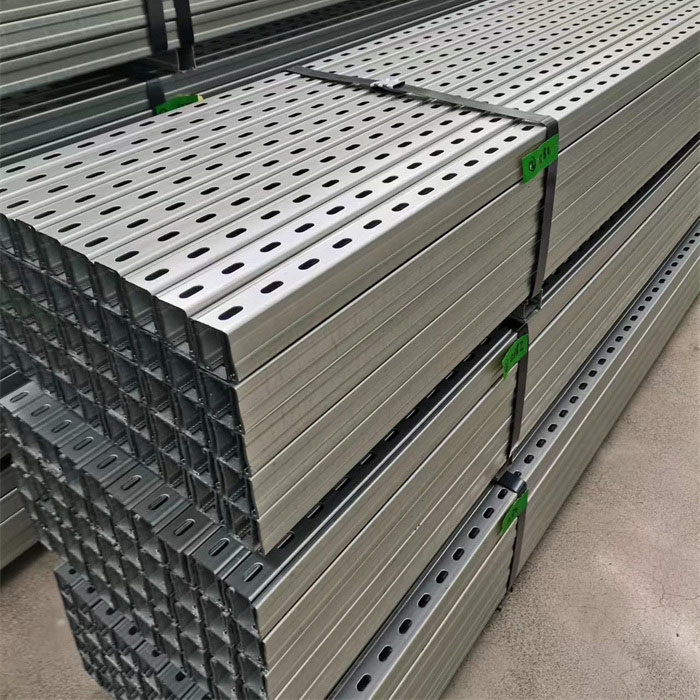
**Magnesium-Aluminum-Zinc Steel Coils Set to Revolutionize Highway Infrastructure**In a significant development for the construction and infrastructure sectors, Magnesium-Aluminum-Zinc (Mg-Al-Zn) steel coils are emerging as a groundbreaking material poised to enhance highway durability, safety, and sustainability. These advanced steel coils combine the superior properties of magnesium, aluminum, and zinc, offering unprecedented corrosion resistance and strength—qualities that are critical for the demanding environment of highway applications.Highways are subjected to constant wear and tear from heavy traffic, extreme weather conditions, and exposure to road salts and chemicals. Traditional steel materials, while strong, often face challenges such as rusting and structural degradation over time. This leads to frequent maintenance, increased costs, and potential safety hazards for commuters. The introduction of Mg-Al-Zn steel coils addresses these issues head-on, promising longer-lasting infrastructure with lower life-cycle costs.Mg-Al-Zn steel coils are coated with a specialized alloy layer that protects the underlying steel from corrosion far more effectively than conventional galvanized coatings. This coating harnesses the synergistic effects of magnesium, aluminum, and zinc to form stable, dense oxide layers that act as a barrier against moisture and corrosive agents. As a result, structures made with Mg-Al-Zn coated steel display superior durability even in harsh environments such as coastal areas with salty air or regions with heavy winter salting.Beyond corrosion resistance, these steel coils exhibit impressive mechanical strength and formability, which are essential for highway components like guardrails, signposts, bridge decks, and crash barriers. Their high tensile strength ensures that safety installations can absorb impacts and stresses without compromising structural integrity. Meanwhile, the coils’ excellent formability allows manufacturers to produce components with complex shapes and specifications to meet the diverse needs of modern highway systems.The adoption of Magnesium-Aluminum-Zinc steel technology also supports sustainable infrastructure goals. Longer-lasting highways mean fewer repairs and replacements, resulting in decreased demand for raw materials and reduced environmental footprints over the structure’s lifetime. Moreover, the material’s lighter weight relative to some traditional steels helps lower transportation emissions during delivery and installation.Infrastructure experts and engineers recognize the transformational potential of Mg-Al-Zn steel coils. “This innovation offers a robust and environmentally friendly solution to the persistent problems of corrosion and material degradation in highway construction,” comments an industry analyst. “Using these steel coils can considerably extend infrastructure service life and improve public safety.”The rise of such advanced steels coincides with increased global investment in highway development and maintenance, driven by urbanization, economic growth, and a focus on resilient infrastructure. Governments and contractors are prioritizing materials that deliver superior performance and cost efficiency, making Mg-Al-Zn coated steel an attractive option.On the manufacturing front, the production of Magnesium-Aluminum-Zinc steel coils involves sophisticated metallurgical processes to apply consistent alloy coatings. These coatings must adhere tightly to the steel substrate and maintain uniform thickness to ensure optimal corrosion protection and mechanical properties. State-of-the-art production facilities are equipped with electroplating and hot-dip coating technologies calibrated to achieve these precise requirements.Companies that specialize in producing Mg-Al-Zn steel coils are investing heavily in research and development to further enhance coating formulations and application techniques. This commitment aims at expanding the usage of these steel coils beyond highways into other sectors such as automotive, appliance manufacturing, and construction, where corrosion resistance and durability are equally valued.As infrastructure demands evolve, the implementation of advanced materials like Magnesium-Aluminum-Zinc steel coils heralds a new era of stronger, safer, and more sustainable highways. Stakeholders across the supply chain—from steel producers and component manufacturers to highway planners and policy makers—stand to benefit from incorporating this pioneering material into their projects.In conclusion, Magnesium-Aluminum-Zinc steel coils represent a significant leap forward in the materials used for highway infrastructure. Their outstanding corrosion resistance, strength, and sustainability credentials meet the urgent need for durable highway components that can withstand challenging environmental conditions and heavy usage. As adoption grows, these advanced steel coils will play a pivotal role in shaping the highways of the future, ensuring safer travel and better value for communities worldwide.
Read More