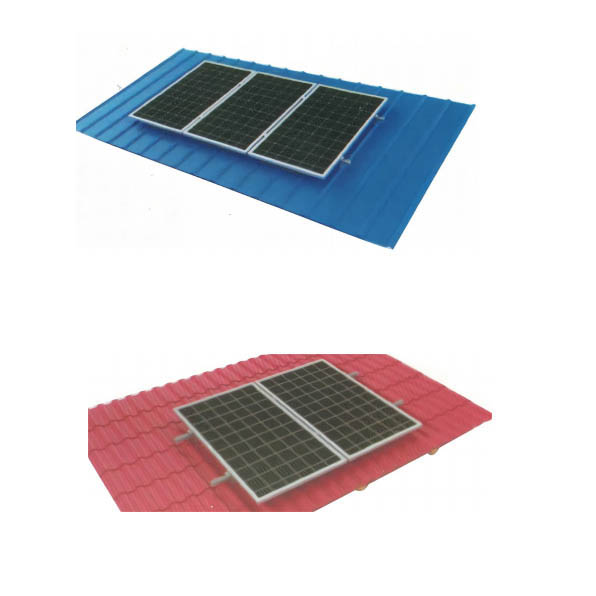
**Innovative Translucent Solar Panels Set to Transform Building-Integrated Photovoltaics**In a remarkable leap forward for renewable energy and sustainable building design, a new generation of translucent solar panels is emerging as a game-changer for the integration of clean energy into urban environments. These advanced photovoltaic (PV) technologies promise to turn ordinary windows and facades into efficient energy generators without compromising aesthetics or natural lighting, marking a significant advance in the drive toward greener cities.**The Rise of Translucent Solar Panels**Traditionally, solar panels have been a bulky addition to rooftops or open fields, limiting their application in dense urban areas where space is at a premium. However, translucent solar panels are different—they are designed to capture sunlight while allowing natural light to pass through, enabling windows, skylights, and glass facades to become dual-purpose elements: sources of daylight and clean electricity.The technology utilizes innovative photovoltaic materials arranged to harness the sun’s energy selectively. By embedding ultra-thin solar cells or organic photovoltaic compounds within glass or flexible substrates, these panels maintain a level of transparency, ranging from semi-transparent to nearly clear, without significantly reducing light transmission. This breakthrough allows architects and designers to incorporate renewable energy directly into the building envelope, uniquely merging sustainability with design flexibility.**Company Background**At the forefront of this innovation is a company dedicated to advancing solar technology for real-world applications. Founded with the mission to revolutionize how solar energy integrates with everyday infrastructure, the company combines cutting-edge photovoltaic research with scalable manufacturing processes. Their team of experts in materials science, electrical engineering, and sustainable design focuses on creating modular, versatile translucent solar solutions that not only perform efficiently but are also aesthetically pleasing and easy to install.With a strong emphasis on environmental responsibility, the company leverages eco-friendly production methods and durable materials to ensure their panels support long-term sustainability goals. Extensive testing ensures that the solar panels withstand various weather conditions, maintain optical clarity over time, and deliver consistent electrical output, providing reliable and cost-effective energy for residential, commercial, and public buildings.**Applications and Benefits**The implications of translucent solar panels are far-reaching. Building-integrated photovoltaics (BIPV)—where solar technologies combine directly with construction materials—offer substantial benefits in reducing a building’s carbon footprint. Translucent panels enable energy generation without the need for additional land space or compromising architectural elements.In office buildings, hospitals, shopping centers, and even homes, these panels can be fitted as windows, curtain walls, or skylights, seamlessly blending into facades while generating electricity. This integration reduces reliance on external power sources, cuts energy costs, and enhances occupants’ comfort by preserving daylight and views.Moreover, translucent solar panels can contribute to net-zero energy building strategies by producing a significant portion of a structure's electricity demand on-site. Urban planners and developers can utilize these panels to meet stringent energy codes and sustainability certifications, such as LEED and WELL building standards. Additionally, by incorporating energy generation into building components, cities can better decentralize power production, improve grid resilience, and decrease transmission losses.**Technological Advancements**Recent developments in photovoltaic materials have greatly improved the efficiency and transparency of translucent solar panels. Innovations such as perovskite solar cells and bifacial panels enable better light absorption and conversion rates even at lower opacity, enhancing overall performance.Furthermore, advancements in manufacturing have allowed the production of large-format panels with customizable shapes and sizes, facilitating creative architectural applications. Smart integration with building management systems enables real-time monitoring and optimization of energy use, contributing to smarter, more sustainable buildings.**Looking Ahead**As global energy demands grow and the urgency to combat climate change intensifies, translucent solar panels represent a critical component of the green energy transition. They uniquely address the challenges of urban solar deployment and open new avenues for sustainable design.The company leading this innovation is committed to expanding the adoption of translucent solar technology through partnerships with architects, developers, and city planners worldwide. By continuing to refine their products and increase production capacity, they aim to make clean, integrated solar energy accessible to a broad market.In conclusion, translucent solar panels are poised to redefine how we think about solar power and urban sustainability. By harnessing sunlight through building surfaces, they not only reduce dependence on fossil fuels but also enhance the functionality and beauty of modern architecture. This promising technology illustrates how innovation and environmental stewardship can come together to build a cleaner, brighter future.
Read More