
How to Fix Brackets for Solar Panels: A Step-by-Step Guide
By:Admin
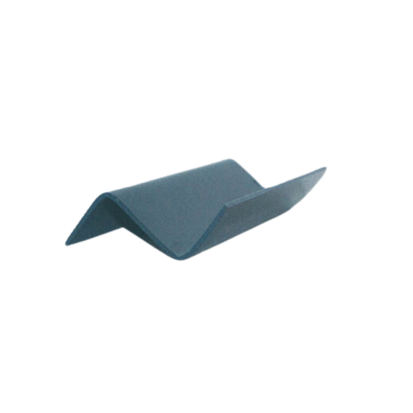
As the global demand for renewable energy surges, solar power continues to lead the transition toward cleaner, sustainable electricity generation. A critical yet often overlooked component in solar energy systems is the mounting hardware—specifically, the brackets used to fix solar panels securely in place. Recent advancements in fixing brackets are set to revolutionize the solar installation industry by enhancing durability, ease of installation, and overall system efficiency.
### The Importance of High-Quality Fixing Brackets
Mounting brackets are the backbone of any solar panel system, ensuring that panels withstand various environmental challenges, including strong winds, heavy snow, and seismic activity. Poor-quality brackets can lead to panel misalignment, damage, or even system failure, which not only compromises energy output but also increases maintenance costs and risks safety hazards.
Recognizing these challenges, manufacturers and industry innovators have developed advanced fixing brackets that address the common pain points of traditional mounting systems. These brackets prioritize corrosion resistance, structural strength, and modularity, allowing for versatile installation on different roof types and terrains.
### Innovations Driving the New Generation of Fixing Brackets
The latest fixing brackets feature several cutting-edge improvements:
- **Material Enhancements:** Utilizing high-grade aluminum alloys and stainless steel, modern brackets offer superior resistance to rust and wear, significantly extending the lifespan of solar installations.
- **Design Efficiency:** Streamlined profiles and integrated locking mechanisms simplify installation, reducing labor time by up to 30%. This efficiency makes solar power projects more cost-effective and accessible.
- **Compatibility and Flexibility:** Adjustable brackets cater to a variety of panel sizes and mounting angles, optimizing sunlight exposure and energy generation.
- **Sustainability:** Manufacturing processes have been optimized to reduce waste and energy consumption, aligning with the environmental goals of the solar industry.
### Company Introduction
As a leading player in the renewable energy sector, [Company Name] has been at the forefront of designing and manufacturing innovative solar mounting solutions. With decades of experience, the company combines engineering expertise with a commitment to quality and sustainability. Their product lines include a wide range of brackets tailored for residential, commercial, and utility-scale solar projects.
The company’s R&D team works closely with installers and industry experts to continually refine mounting systems, ensuring they meet the evolving demands of the market. With a robust global distribution network, [Company Name] supports solar energy growth across multiple continents, emphasizing customer service and technical support.
### Case Study: Improved Solar Installations with Advanced Fixing Brackets
A recent project implemented by [Company Name] demonstrated the tangible benefits of their latest fixing brackets. Installed on a commercial rooftop in a region known for extreme weather, the brackets successfully secured the panels without any structural issues, even during high-wind events.
Site engineers reported faster installation times and minimal adjustments required post-installation. Feedback from maintenance teams highlighted improved accessibility and safety during routine inspections, attributable to the thoughtful bracket design.
The successful deployment underscores the importance of investing in high-quality mechanical components to bolster the reliability and efficiency of solar power systems.
### Industry Impact and Future Outlook
The introduction of improved fixing brackets marks a significant step forward in solar installation technology. As the industry grows, these hardware innovations will play a pivotal role in reducing upfront costs and enhancing long-term performance.
Experts predict that incorporating these advanced brackets across new solar projects could increase global energy yield by preventing losses caused by panel displacement and damage. Moreover, the reduced installation time accelerates project timelines, allowing solar capacity to expand more rapidly in response to climate goals.
Looking ahead, manufacturers are exploring smart mounting solutions integrated with sensors to monitor panel alignment and structural loads in real-time. Such developments promise to further increase system resilience and maintenance efficiency.
### Conclusion
While solar panels often take the spotlight in renewable energy discussions, the supporting materials like fixing brackets are equally vital to system success. Advances in bracket materials, design, and functionality are enabling more robust and cost-effective solar installations worldwide.
[Company Name] exemplifies leadership in this niche, delivering products that not only meet but exceed industry standards. As solar power adoption accelerates, innovative fixing brackets will remain a cornerstone of reliable, sustainable energy infrastructure—helping to power a greener future for all.